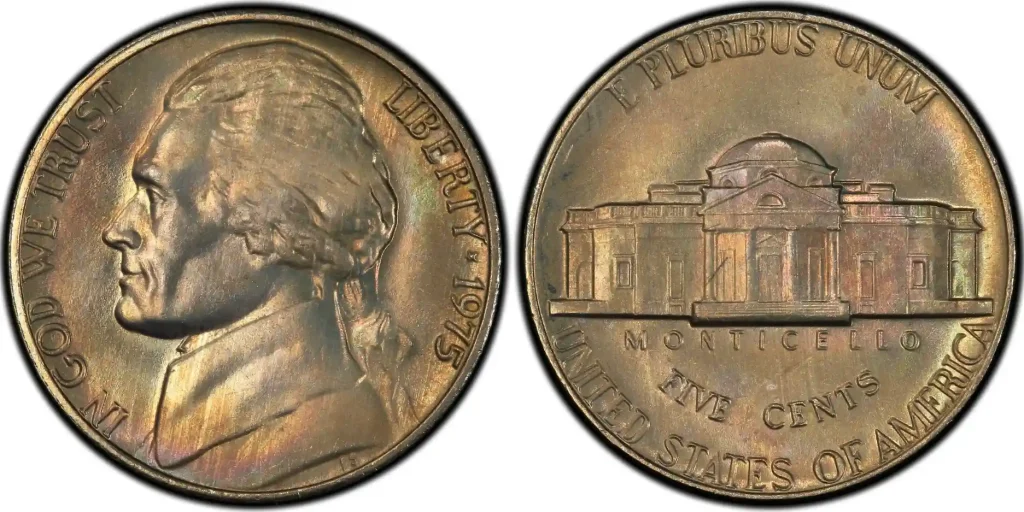
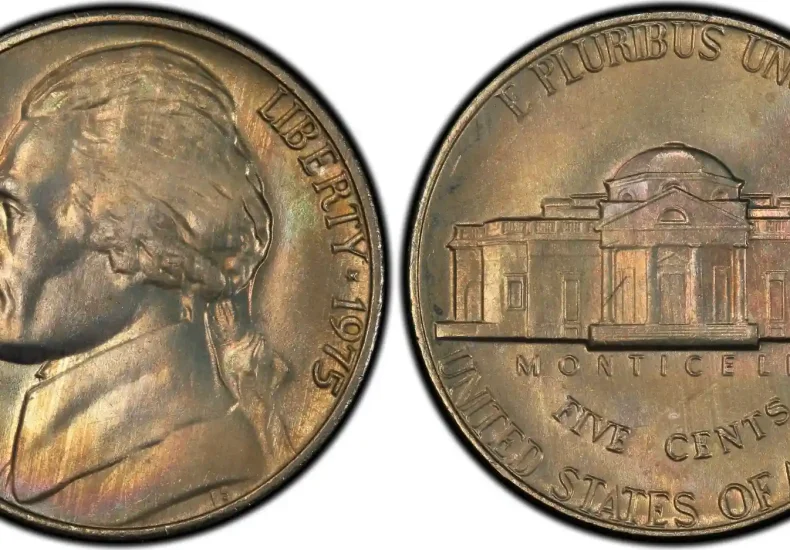
What Collectors Pay for 1974 Half Dollars
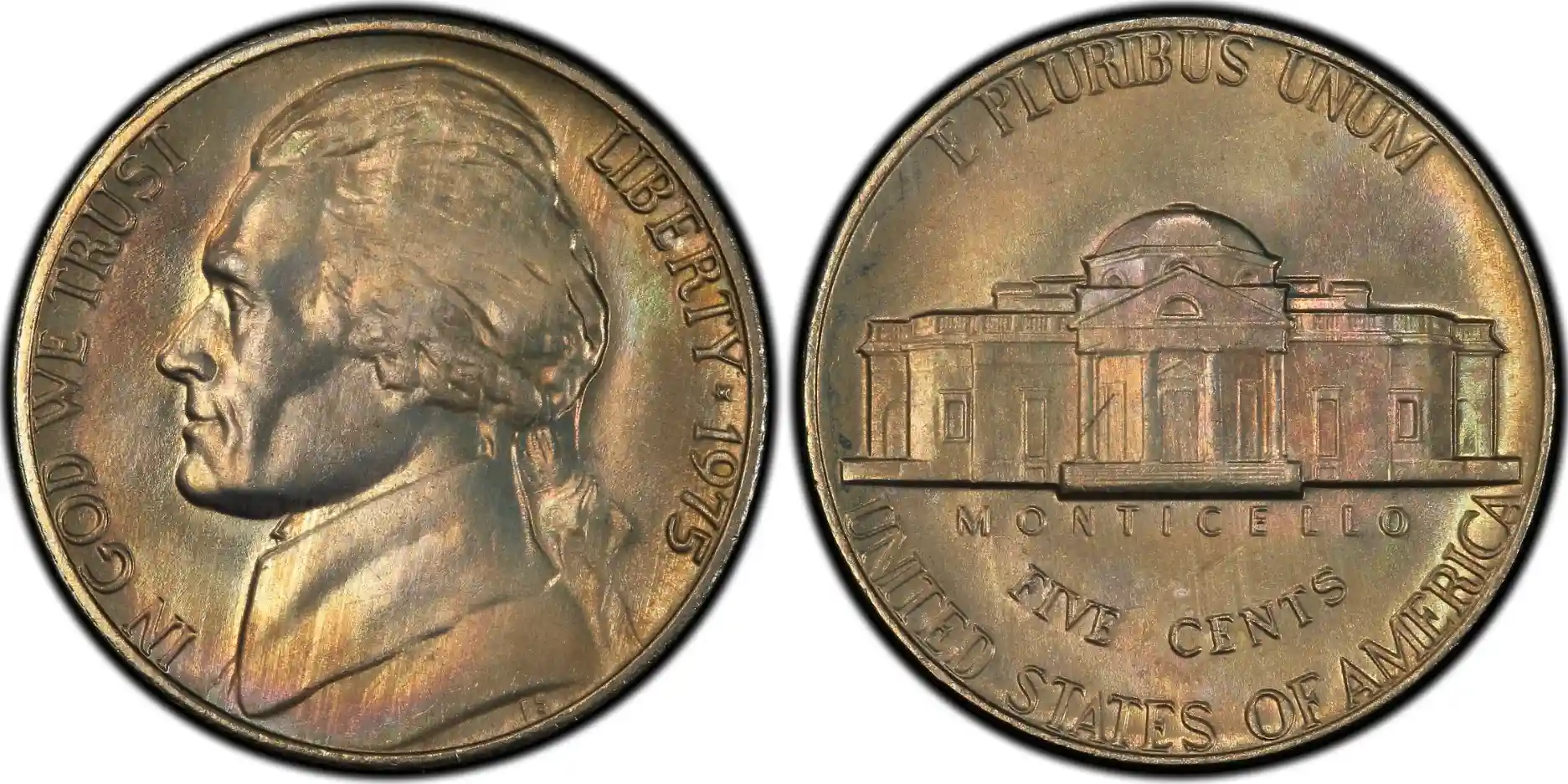
Common 1974 half dollar coins trade in $0.55-$1.20 range during standard circulation. Coins in MS-63 grade reach $15-$30 price levels showing steady demand.
Specimens in top MS-67 grade show record 1974 half dollar value points exceeding $450-$600 at specialty auctions. Investment returns rely heavily on grade precision. Market data confirms stable appreciation for high-quality strikes.
| Feature | Value |
| Face Value | $0.50 |
| Composition | 40% silver, 60% copper for Proof, copper nickel alloy for Regular Strike |
| Weight | 11.34 grams |
| Diameter | 30.6 mm |
Market Value Trends
Price points for 1974 issues face grading influence. Independent firm professional assessment boosts coin value multiple times. Dealers pay premium prices for coins displaying original surface integrity.
Market fluctuations impact lower grade pieces more than top tier slabs. Professional numismatists track daily auction results for precise valuation.
Condition Price Dependence
- Circulated condition $0.50-$0.70
- MS-60 $2-$5
- MS-65 $25-$45
- MS-67 $450+
MS-65 status acts as primary threshold for serious investment. Coins below this grade level lose significant market appeal. Price gaps between MS-64 and MS-65 often reach 30% to 50%.
High grade specimens command buyer attention at every major auction house.
Factors Shaping Price
Striking Method
Coins minted for circulation keep minimum value matching face value or metal cost. Proof quality intended for collectors trades higher due to mirror surface and lack of circulation marks.
Regular Proof sets trade at $4-$9. Precision strike methods define Proof value. Collectors demand flawless fields. Any surface flaw reduces price potential by 40%.
Professional Certification
Plastic holder presence with PCGS or NGC grade ensures authenticity and storage status. Lack of grade cuts asset liquidity. Price gap between graded and raw coins in MS-65 grade reaches 200%.
Professional grading services provide market confidence. Slabbed coins sell faster at target prices. Raw coins carry higher buyer risk. Risk mitigation remains key to long term profit.
Rare Varieties and Errors
Investor interest centers on minting anomalies. Such specimen value forms individually at sales. Anomalies require expert verification before high value transactions.
Double Die
Doubled obverse or reverse design elements. Rare specimens reach $100-$250 value depending on effect strength. Die misalignment causes these visual variations. Serious collectors pay extra for clear doubling. Minor doubling attracts less investment capital.
Off Center
Planchet shift relative to die. Strong shift with visible date raises price up to $150-$400. Major errors drive high auction excitement. Partial design loss decreases value significantly. Eye appeal determines final sale price.
Clipped Planchet
Metal part missing. Market price for such specimen varies from $50 to $120. Metal loss percentages dictate value scales. Collectors seek large, clean clips. Small clips offer lower return potential.
Investment Risks and Advice
Improper storage kills collector value over short time. Moisture impact causes corrosion cutting price by 50-70%. Environmental damage proves irreversible.
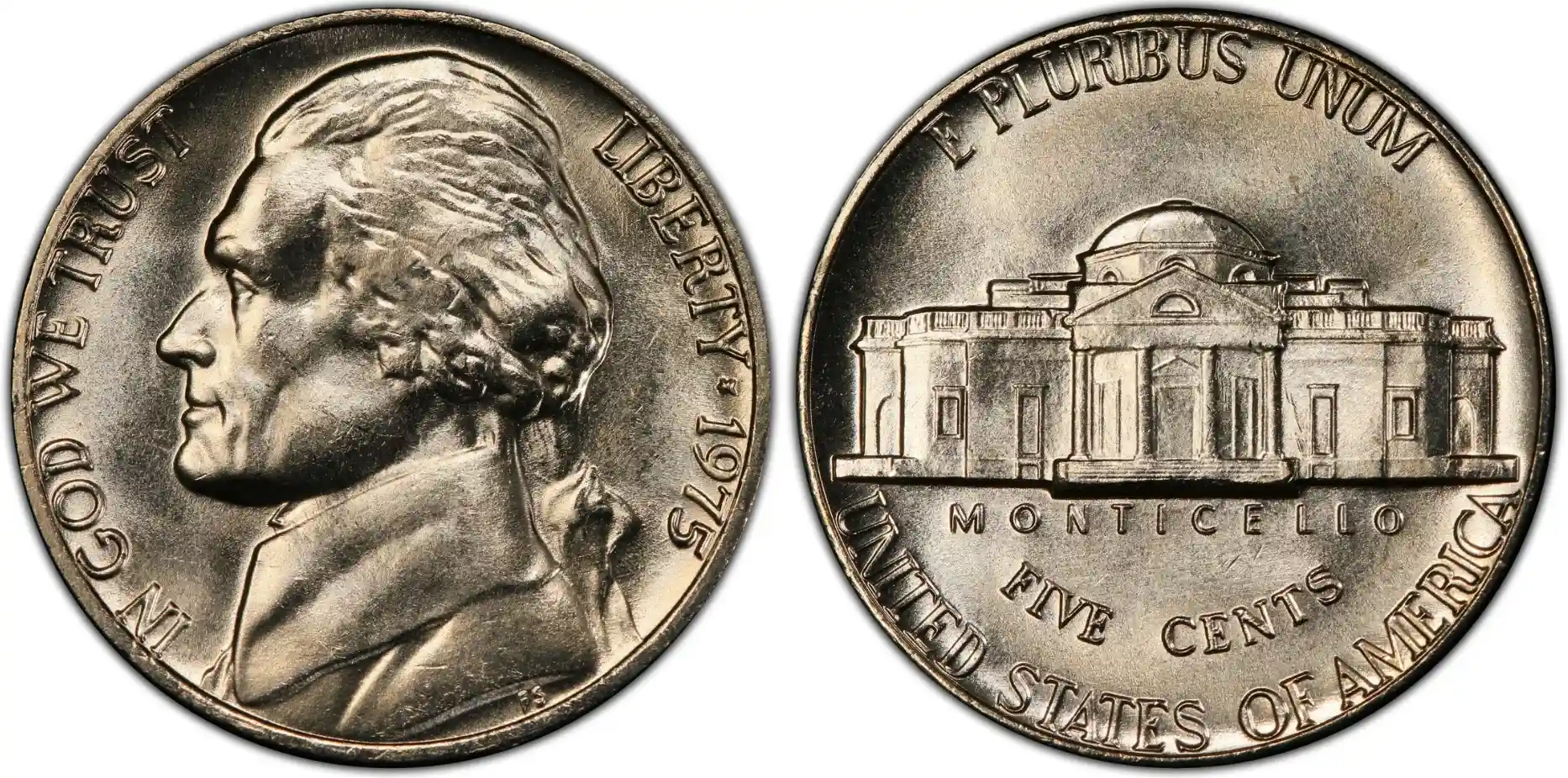
Storage Best Practices
- Inert material use
- No direct skin contact
- Storage humidity control
- UV light avoidance
Proper storage preserves surface luster. Tarnish-free surfaces fetch 20% higher prices at resale. Climate control protects metal investment value.
Grading for Sale
Use Sheldon scale for value determination. Knowing MS-64 vs MS-65 gap brings extra profit of $10-$20 per unit. High volume auction sales ensure reaching maximum market price.
Grading accuracy prevents investment loss. Professional graders catch hidden damage unseen by amateur eyes. Accurate grade assessment maximizes selling speed.
| Coin Type | Price Range | Status |
| Regular Strike | $0.55-$1.20 | Common |
| Proof 1974-S | $4-$9 | Collector |
| Double Die | $100-$250 | Numismatic rarity |
| Off Center | $150-$400 | Record price |
Year Impact on Price
1974 Proof set silver alloy stability ensures predictable 2-3% yearly price growth. Copper nickel coins depend entirely on collector interest for surface condition.
Market supply levels shift slightly each season. Investors track census reports for population data updates. Low population counts support higher market pricing models.
Grading Recommendation
Submit only specimens with perfect luster for certification. Grading cost is $30-$50 making evaluation of coins below MS-64 status non-profitable.
Fee structures eat into low value coin profit margins. Focus grading efforts on potential MS-65 plus candidates.
Evaluation Tools
- Auction price guides
- Digital scales for fake exclusion
- coin-identifier.com for hidden flaw detection
- Professional lighting setups